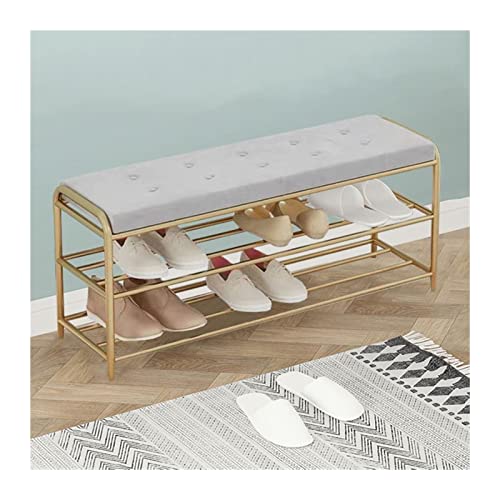
Avoid Common Mistakes When Buying Shoeracks
Choosing the right shoerack can greatly enhance your home organization and ensure that your footwear remains in excellent condition. In 2026, the options for shoeracks are more diverse than ever, and making an informed decision is crucial. This guide will help you navigate the common pitfalls associated with purchasing shoeracks, ensuring you find a solution tailored to your needs.
Understanding Your Space Requirements
Before you even begin browsing for shoeracks, it is essential to understand the space you have available. Many individuals make the mistake of purchasing a shoerack that simply does not fit in their designated area. In 2026, storage solutions have become increasingly compact and versatile, allowing for innovative designs that can fit into tighter spaces.
When considering your space, take the following steps:
- Measure the area where you intend to place the shoerack.
- Consider the height, width, and depth of the space.
- Account for any nearby furniture or obstacles that may affect the shoerack's placement.
By understanding your space requirements, you can avoid the frustration of a shoerack that is too large or awkwardly shaped for your home.
Choosing the Right Style and Design
In 2026, shoerack design is not only functional but also an integral aspect of home decor. It is crucial to select a design that complements your existing interior. Many shoppers overlook this factor and end up with a shoerack that clashes with their home aesthetic.
Consider the following design elements:
People Also Look For:
- Farmhouse Wooden Dining Bench Industrial Shoe Bench for Entryway End of Bed Bench Long Kitchen Stool Living Room Bedroom Hallway E...
- ZDAGELD Upgraded Linen and PP Board Under Bed Drawers with Transparent Lid for Duvets, Clothes and Shoes, Compact Under Bed Shoe S...
- YITAHOME Shoe Bench, Storage Bench with Padded Seat, with Cushion, Shoe Storage Bench with Drawer and Open Compartments, for Livin...
- RoselandFurniture Farrow Grey Wooden Blanket Box Ottoman Storage Box | Fully Assembled Large Contemporary Painted Trunk, Shoe Stor...
- SONGMICS Shoe Boxes, Pack of 6, Organizers with Door, Plastic Shoe Storage, Stackable, Easy Assembly, 27 x 34.5 x 19 cm, Up to UK ...
- Material: Wooden shoeracks offer a classic look, while metal options provide a modern touch.
- Color: Choose a color that matches your furniture or adds a pop of contrast.
- Style: Open shelving can create an airy feel, while closed storage keeps shoes out of sight.
By carefully selecting the style and design of your shoerack, you can enhance your living space rather than detract from it.
Evaluating Capacity Needs
Another common mistake is failing to evaluate your capacity needs. As shoe collections grow, the necessity for a larger or more accommodating shoerack becomes apparent. In 2026, many shoeracks come with adjustable shelves and modular designs that can be tailored to fit your current and future needs.
When assessing capacity, consider:
- The number of shoes you currently own and plan to acquire.
- The types of shoes in your collection, including heels, boots, and casual footwear.
- Your lifestyle: If you frequently switch out shoes seasonally, a flexible storage solution may be beneficial.
By evaluating your capacity needs, you can select a shoerack that will accommodate your collection without requiring frequent replacements.
Not Considering Ventilation
Many buyers fail to consider ventilation when selecting a shoerack. Shoes can trap moisture and odors, which can lead to unpleasant conditions and damage over time. In 2026, many shoeracks feature designs that promote airflow, but it is essential to know what to look for.
Look for the following features:
- Open shelving designs that allow air circulation.
- Materials that are breathable, such as wood or mesh.
- Additional features like removable trays for easy cleaning.
By prioritizing ventilation, you can keep your footwear fresh and prolong the life of your shoerack.
Budgeting Wisely for Shoeracks
Budgeting is another critical aspect that many buyers overlook when shopping for shoeracks. It is easy to get carried away in the excitement of finding the perfect design, only to realize later that it exceeds your financial limits. In 2026, there are solutions available for every budget, but being clear about your financial constraints from the start is essential.
To budget wisely, consider:
- Setting a maximum price before you begin shopping.
- Researching different retailers and comparing prices.
- Considering long-term value versus initial cost; sometimes investing more upfront leads to better durability.
By establishing a budget, you can safeguard against overspending while still finding a quality shoerack that meets your needs.
Ignoring Customer Reviews and Feedback
Lastly, many shoppers neglect to read customer reviews and feedback before making a purchase. In 2026, online shopping has become even more prevalent, and there is a wealth of information available from previous buyers. Ignoring this resource can lead to poor purchasing decisions.
Make a habit of:
- Reading both positive and negative reviews to gauge overall satisfaction.
- Looking for reviews that mention durability, ease of assembly, and functionality.
- Seeking out expert opinions or recommendations from reputable sources.
By taking customer feedback into account, you can make a more informed decision and avoid potential pitfalls that others have encountered.